AI interactions evaluated
Complex tasks reviewed on Kremor AI through benchmarking, annotation and qualitative evaluation.


My work across AI product design, model evaluation and agent workflows, with evidence and limitations made clear.
PRACTICE SNAPSHOT
A compact view of the parts of AI practice I can support, separated into real evidence, technical experience and product principles.
Complex tasks reviewed on Kremor AI through benchmarking, annotation and qualitative evaluation.
Role-based Kremor AI flows with permissions, confirmation gates and audit visibility.
Uses the current route and conversation context to answer questions about the work more accurately.
Hands-on experience working with graph-based agent flows and orchestration patterns.
Experience integrating open-source AI models and agents into product workflows.
AI output is paired with confirmation, permissions, review states or explicit validation where the task requires it.
AI can accelerate synthesis and exploration, but findings still need traceable evidence. I separate model output, source material and participant research rather than treating them as interchangeable.
KREMOR AI · MODEL EVALUATION
I worked across forensic benchmarking, dataset annotation and qualitative evaluation of LLM and generative-image output alongside the product design work.
SETTLE · RESEARCH IN PROGRESS
Settle uses official guidance to ground a dependency model while participant research is still ongoing. The page labels what is sourced, what is hypothesised…
The model is only one part of the experience. The surrounding product still has to explain the next step, make responsibility visible and give people useful control.
GENERATIVE UX · KREMOR AI
Prompt scaffolding, conversational starting points, five operational roles, confirmation gates and audit history make an open-ended AI experience more controllable.
HUMAN REVIEW · CHALANT AI
Learners manage AI agents, review generated work and remain responsible for what leaves the system instead of treating automation as automatic approval.
PROPOSAL · BIZINC
The AI-assisted search-to-booking concept explores conversational discovery, but stays clearly labelled as a proposal until live availability and booking impact are validated.
I use AI to make ideas testable and workflows more useful. My agent work connects questions to product knowledge and supporting evidence; the case studies describe the approach.
PLUGIN I BUILT · PUBLIC RELEASE IN PREPARATION
A careful academic editing workflow for students and researchers: minimal changes, preserved citations and author approval before substantial rewrites.
PORTFOLIO AGENT · IMPLEMENTATION PATTERN
A question moves through page context and portfolio knowledge to an answer with supporting evidence.
TECHNICAL PRACTICE
Technical work complements the product design rather than replacing it.
TOOLS SUPPORT THE METHOD
I use AI tools to support research synthesis, design exploration, functional prototyping and workflow automation, with human review before the work becomes a claim…
Open a case study to read the evidence behind a specific claim.
Complex tasks reviewed on Kremor AI through benchmarking, annotation and qualitative evaluation.
KREMOR AI · EVIDENCERole-based Kremor AI flows with permissions, confirmation gates and audit visibility.
KREMOR AI · PRODUCT UXUses the current route and conversation context to answer questions about the work more accurately.
AGENT EXPERIENCE · IMPLEMENTATION PATTERNHands-on experience working with graph-based agent flows and orchestration patterns.
TECHNICAL PRACTICEExperience integrating open-source AI models and agents into product workflows.
TECHNICAL PRACTICEAI output is paired with confirmation, permissions, review states or explicit validation where the task requires it.
PRODUCT PRINCIPLE
KREMOR AI · MODEL EVALUATION
I worked across forensic benchmarking, dataset annotation and qualitative evaluation of LLM and generative-image output alongside the product design work.
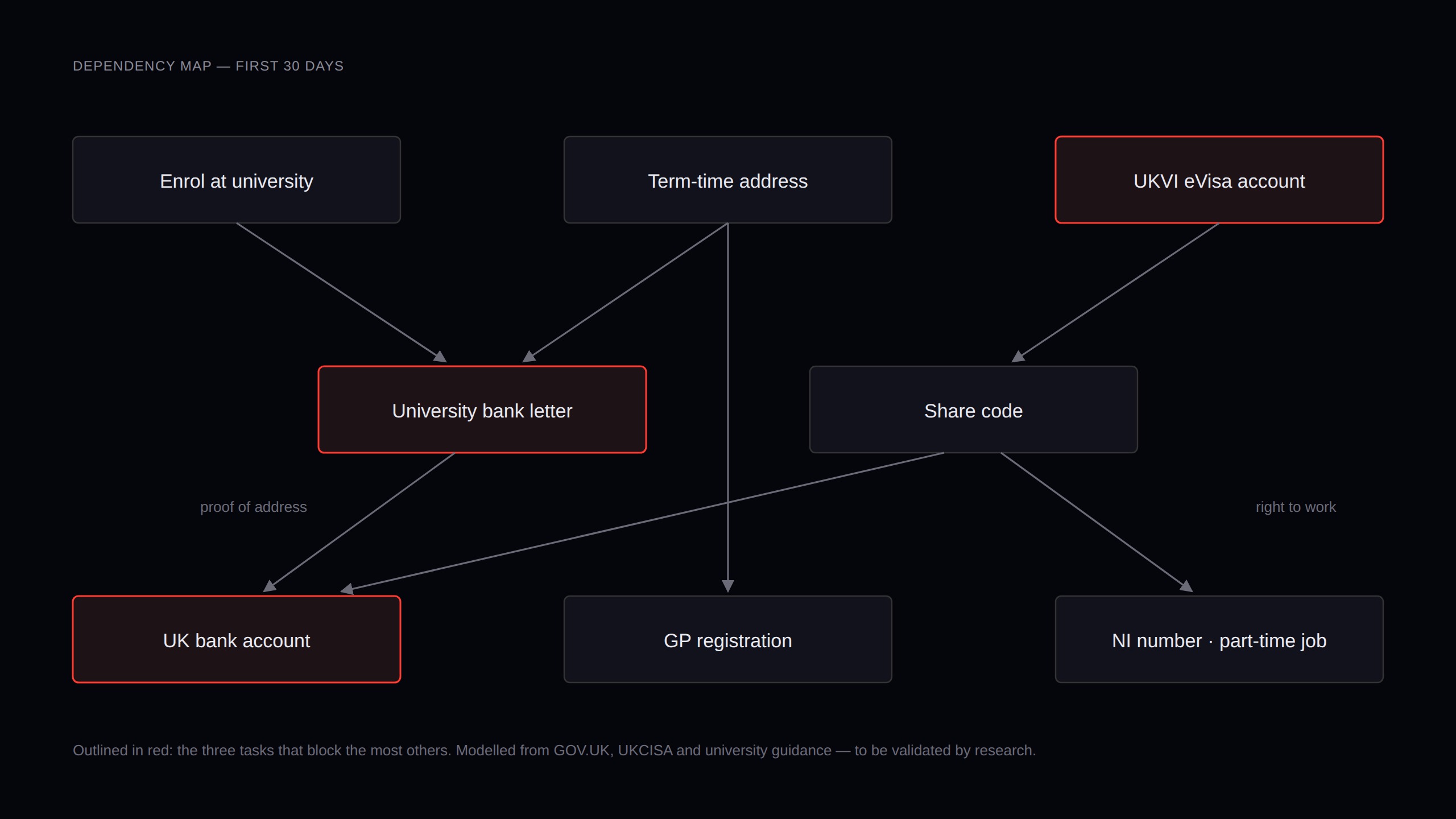
SETTLE · RESEARCH IN PROGRESS
Settle uses official guidance to ground a dependency model while participant research is still ongoing. The page labels what is sourced, what is hypothesised and what still needs validation.
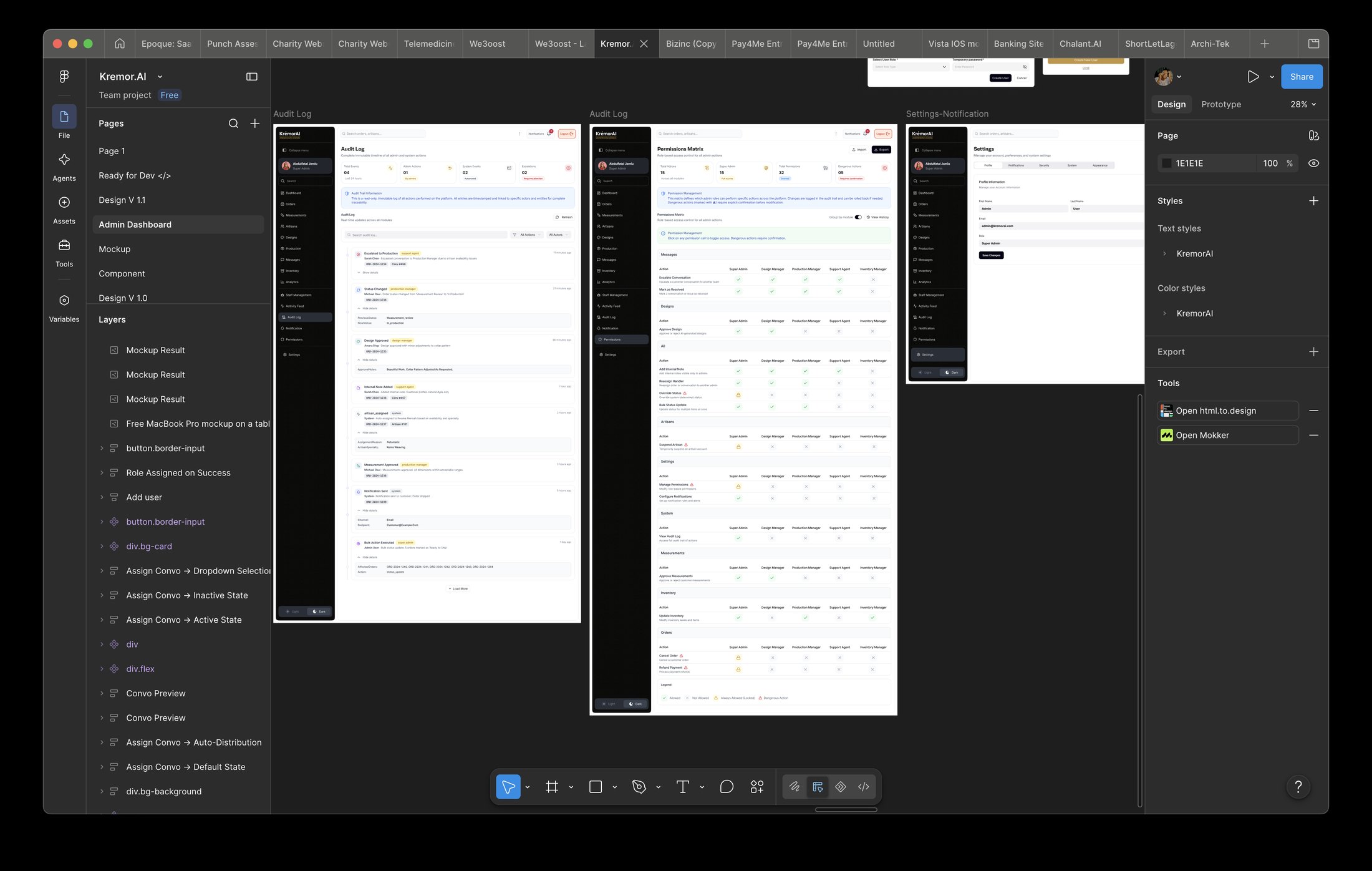
GENERATIVE UX · KREMOR AI
Prompt scaffolding, conversational starting points, five operational roles, confirmation gates and audit history make an open-ended AI experience more controllable.
Explore the decisions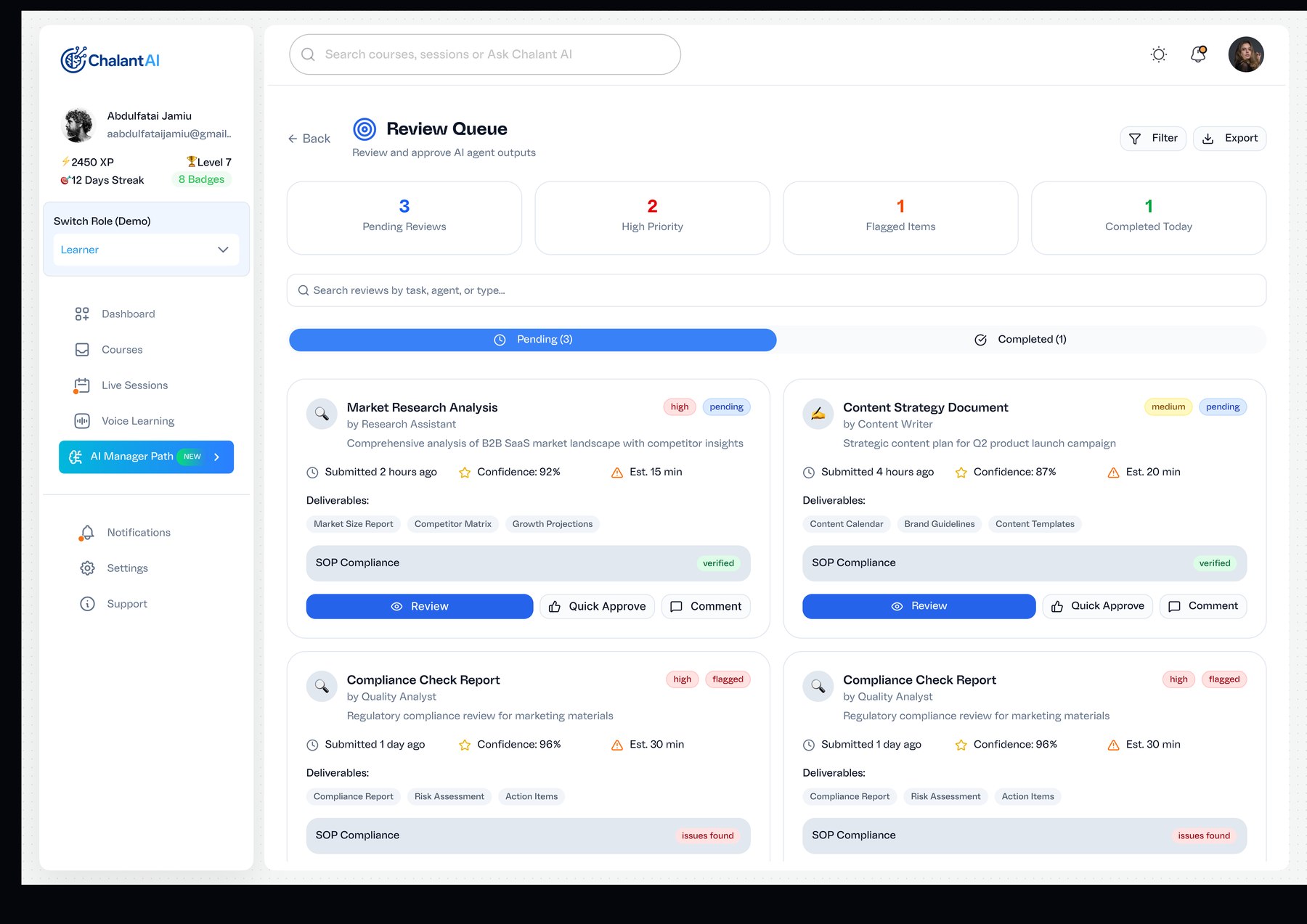
HUMAN REVIEW · CHALANT AI
Learners manage AI agents, review generated work and remain responsible for what leaves the system instead of treating automation as automatic approval.
Read Chalant AI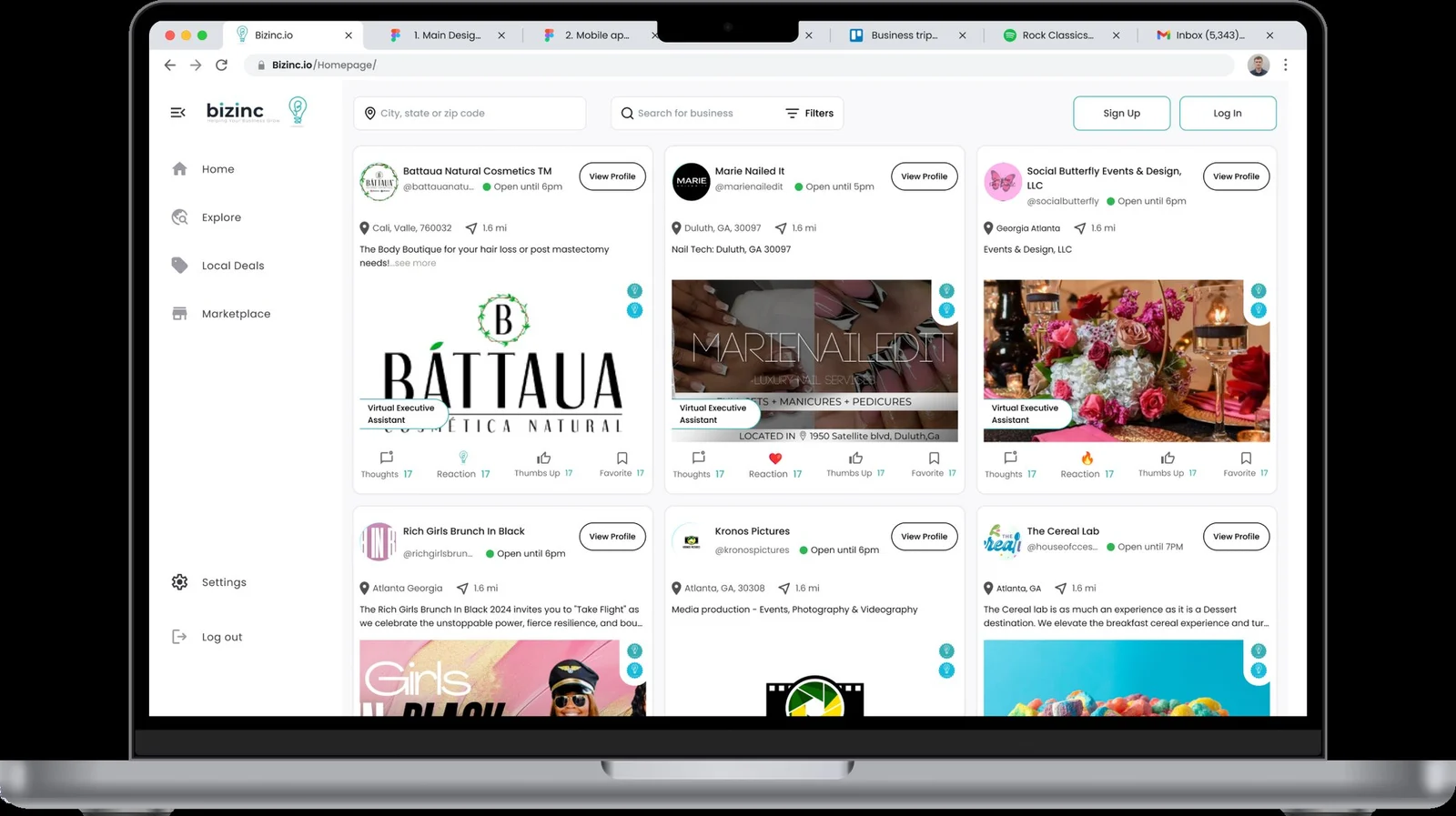
PROPOSAL · BIZINC
The AI-assisted search-to-booking concept explores conversational discovery, but stays clearly labelled as a proposal until live availability and booking impact are validated.
See the proposal and limitsPLUGIN I BUILT · PUBLIC RELEASE IN PREPARATION
A careful academic editing workflow for students and researchers: minimal changes, preserved citations and author approval before substantial rewrites.
Returns edited text, significant changes and questions to review. It does not promise AI-detector scores.
Explore the pluginPORTFOLIO AGENT · IMPLEMENTATION PATTERN
TECHNICAL PRACTICE
Technical work complements the product design rather than replacing it.
TOOLS SUPPORT THE METHOD
I use AI tools to support research synthesis, design exploration, functional prototyping and workflow automation, with human review before the work becomes a claim or shipped experience.